Ecuador
4 - 13 April 2027
Andes to Amazon
Embark on a 10-day herping expedition through three distinct ecoregions in one of the world’s premier herpetological hotspots: Ecuador.
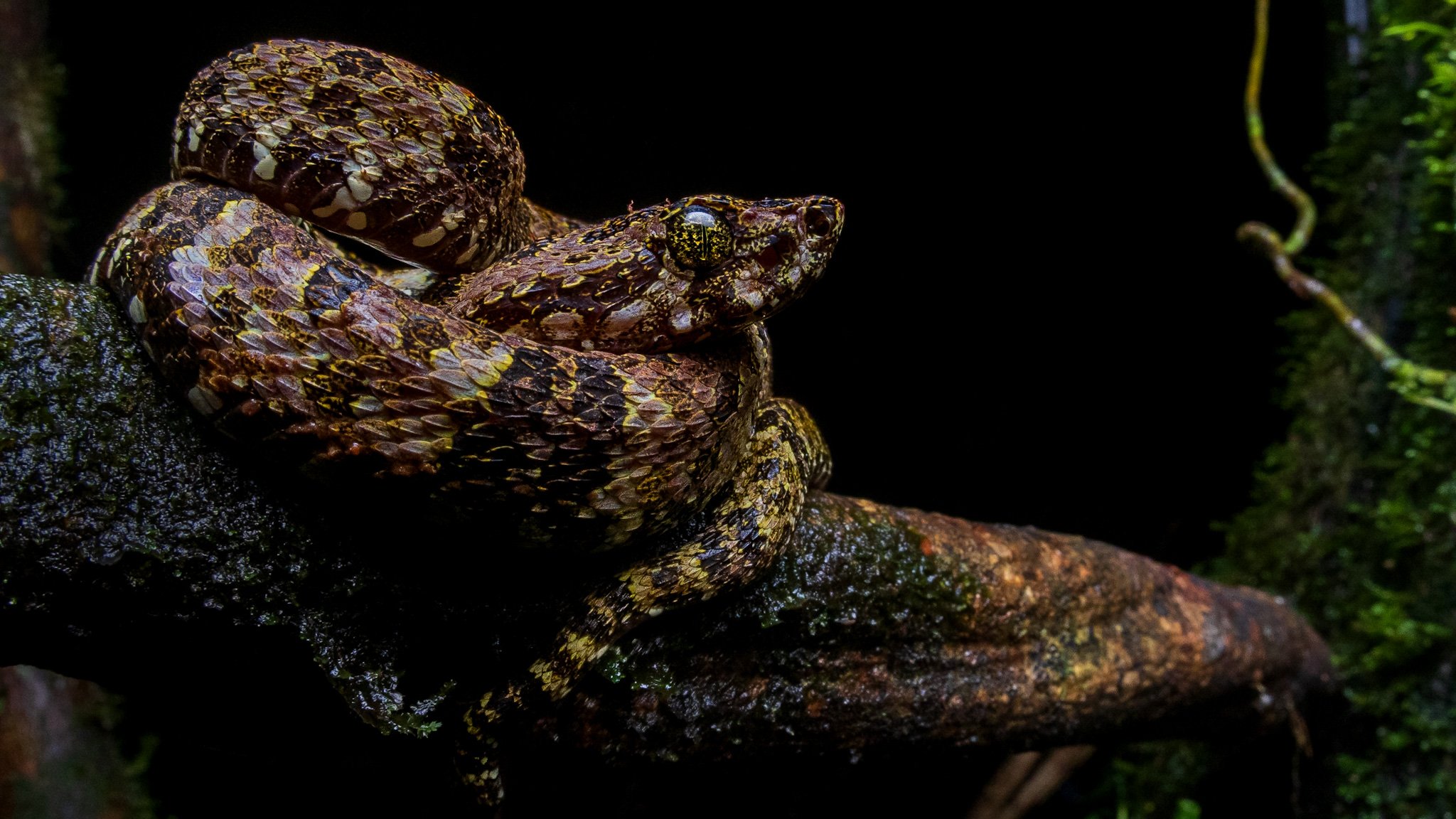
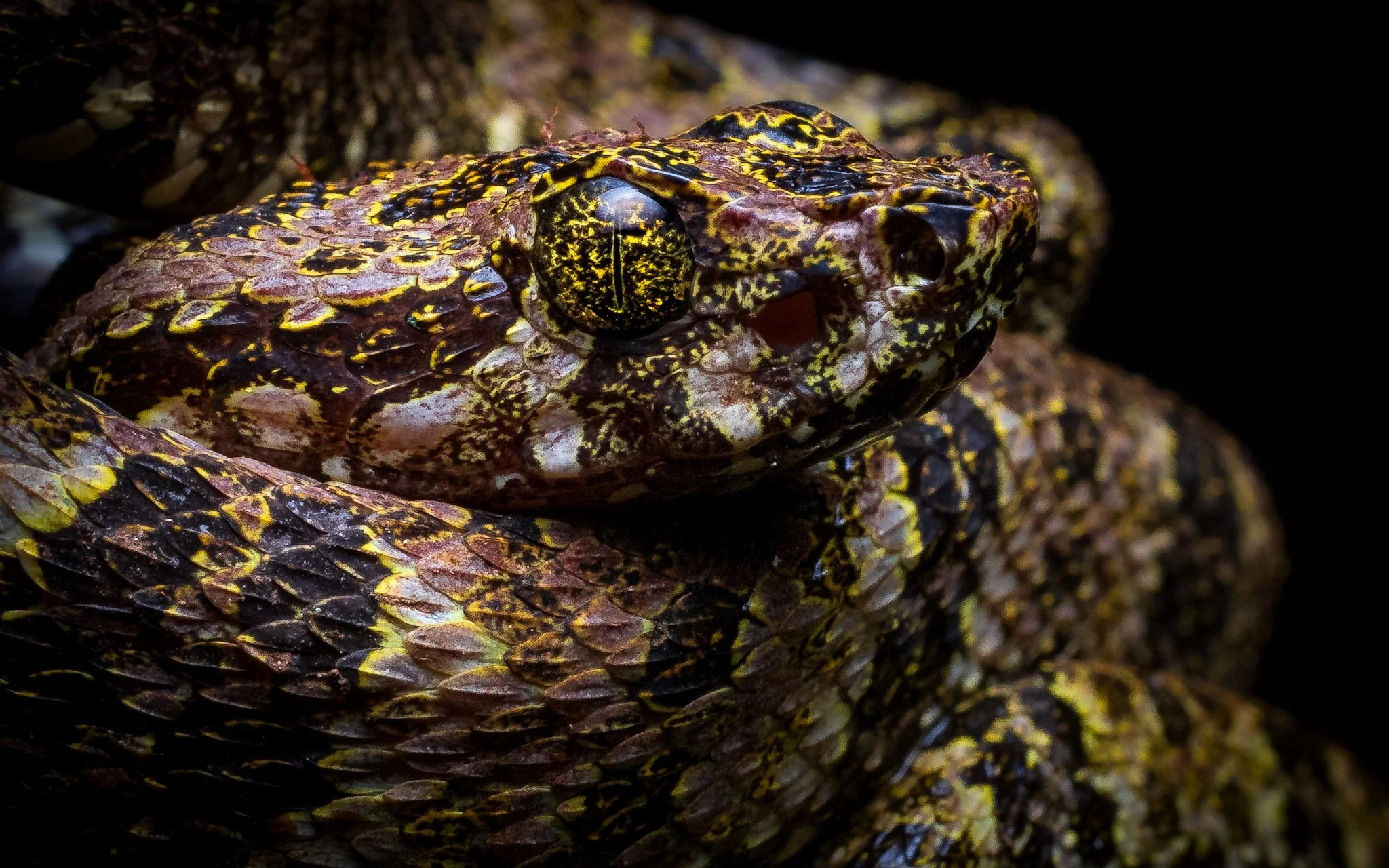
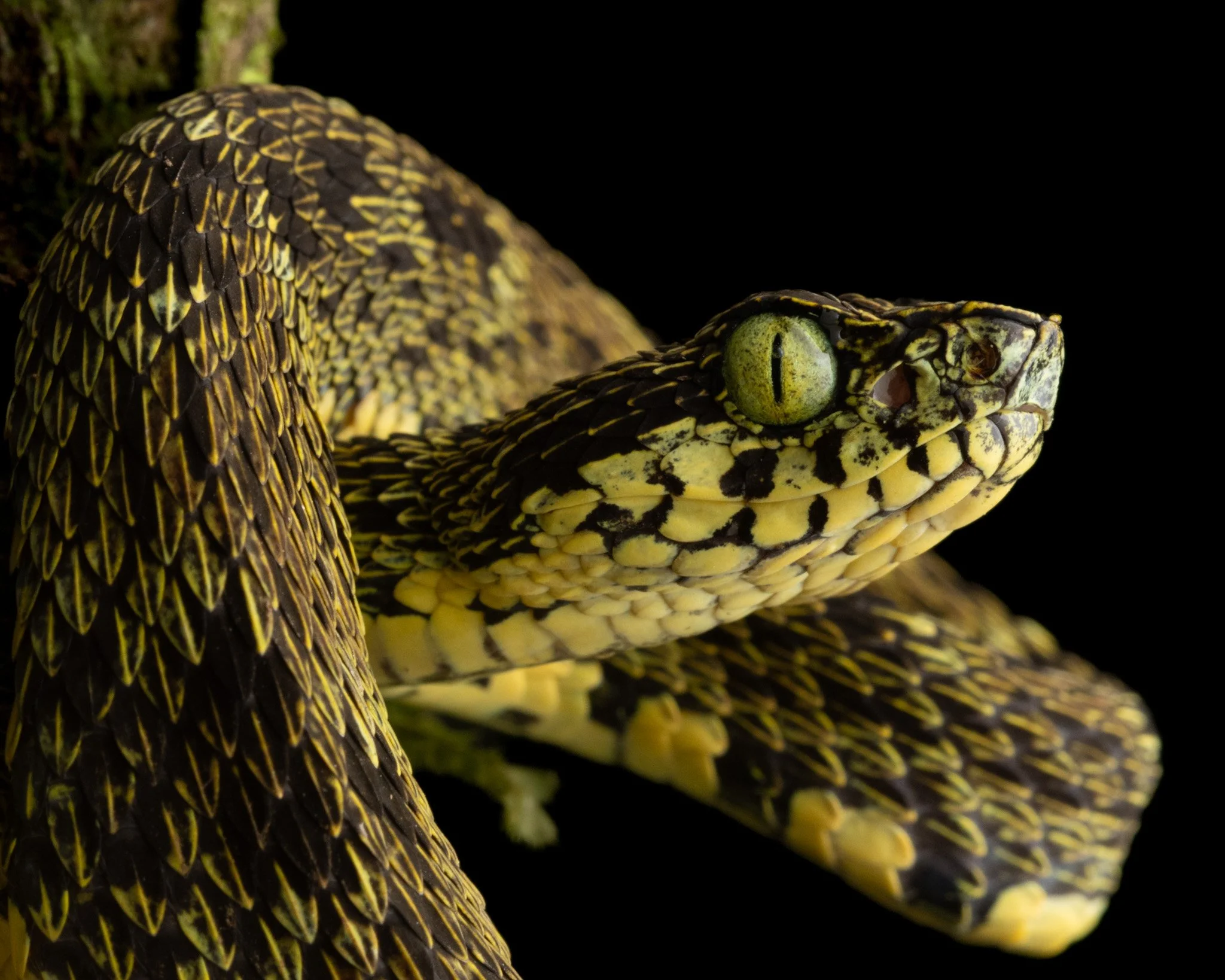
Alongside a wide range of Andean and Amazonian targets, this itinerary is carefully designed around one of the expedition’s main goals; encountering three spectacular and elusive arboreal vipers: Bothrops pulcher, Bothrops taeniatus, and Bothrops bilineatus.
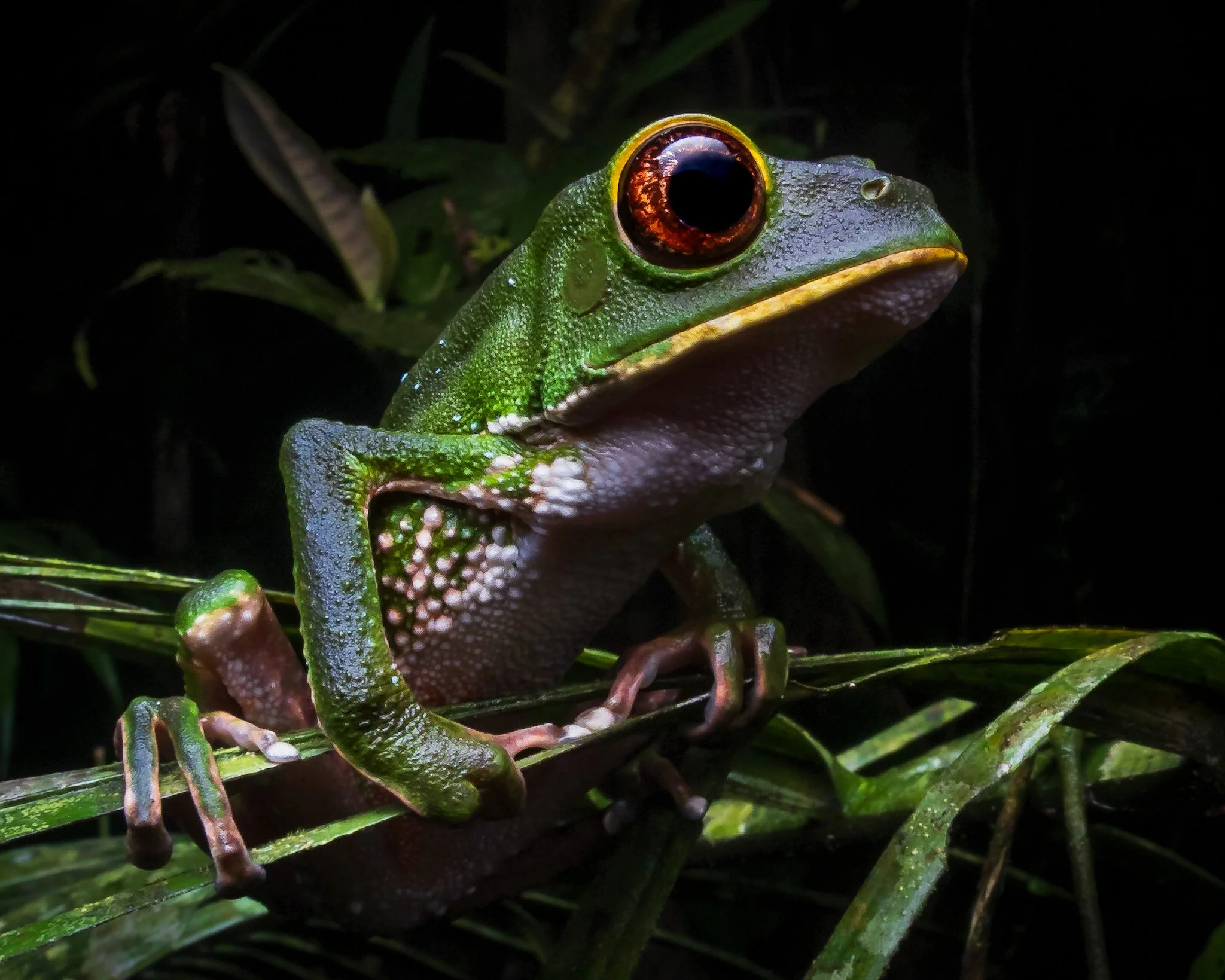
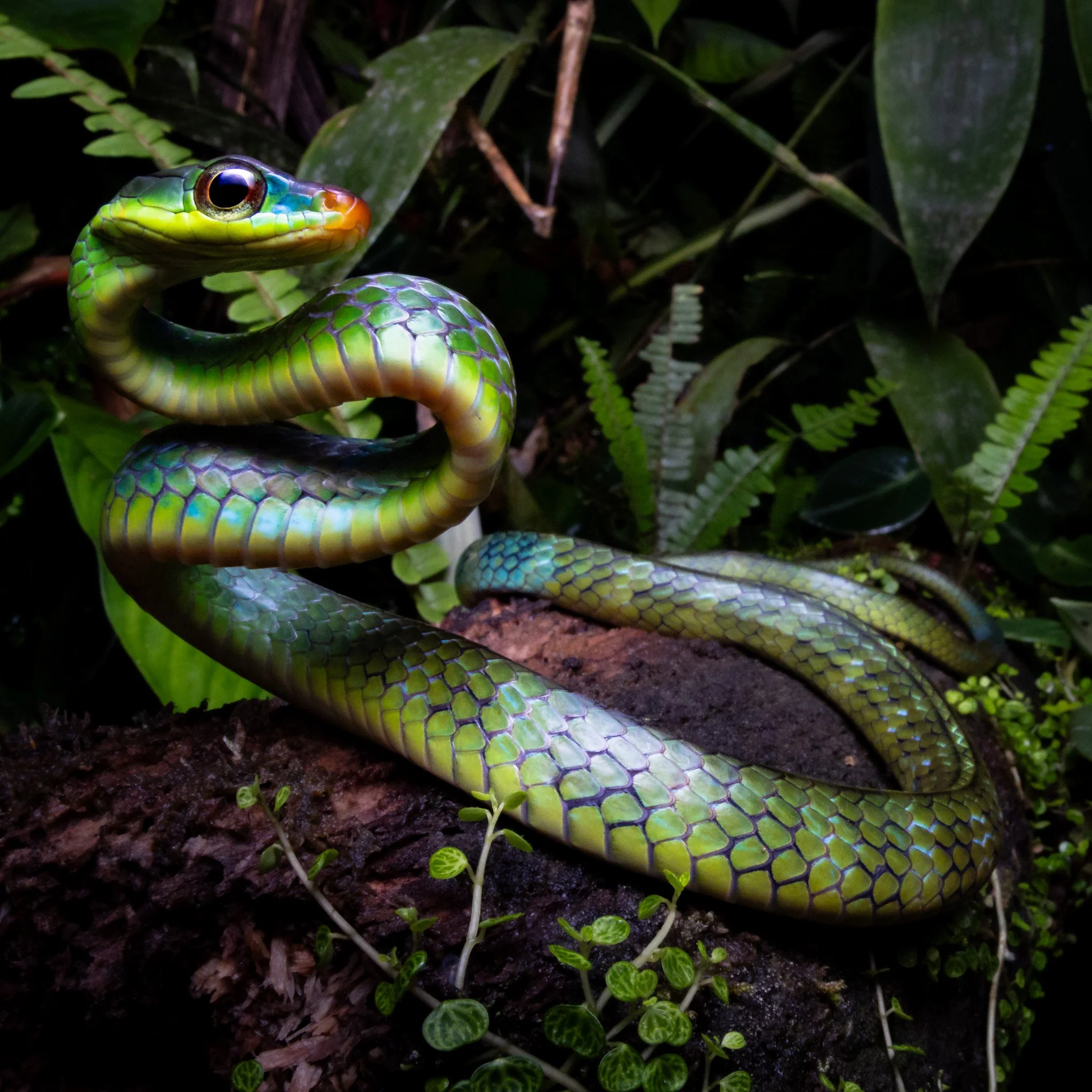
Starting high in the Andes, we will explore multiple elevations, each with its own unique set of species. The first days are spent in the cloud forests east of Quito, searching for montane specialists in cooler conditions and dramatic landscapes. From there, we descend into the upper Amazon, where species such as the Bushmaster (Lachesis muta) and Emerald Tree Boa (Corallus batesii) become possible. The final part of the expedition takes us into the lowland Amazon, a region of immense biodiversity where we will focus on a wide range of iconic rainforest species.
Led by experienced guides, we will conduct both day and night hikes through these diverse ecosystems, offering exceptional opportunities for observation and photography. Accommodation will be in carefully selected lodges and reserves, ranging from basic to mid-range, all chosen for their proximity to high-quality habitat and biodiversity.

Your Tour Leader
Steijn Pulles
Biologist | Wildlife Photographer | Conservationist
Itinerary
This is a provisional Itinerary and may be adjusted due to weather conditions, local factors, or logistical reasons. Any changes will be made to improve the experience and will be communicated in advance.
Day 1-3: We gather the group in Quito and make our way to the first location located on the Amazonian side of the Andes. Here we will start off the tour with some highland herping, which as many know, can be slow but very rewarding. These beautiful cloud forests are home to the incredibly elusive Andean Forest Pitviper (Bothrops pulcher).
Day 3-6: We depart for a remote reserve, located at around a kilometer elevation in the Amazon biosphere. Here we will be targeting species like the Speckled Forest-Pitviper (Bothrops taeniatus), Bushmaster (Lachesis muta), Rusty-fronted Sipo (Chironius leucometapus), Günther’s Sun Tegu (Euspondylus guentheri) and much more.
At this location, some facilities are basic. The showers are cold, and eco-toilets are in use. The rooms are simple but do have electricity. It’s a small trade-off to sleep in one of the Amazon’s best habitats for rare reptiles and amphibians. The setting is stunning, and waking up in the middle of the Amazon to the sound of birdsong is something you won’t forget.
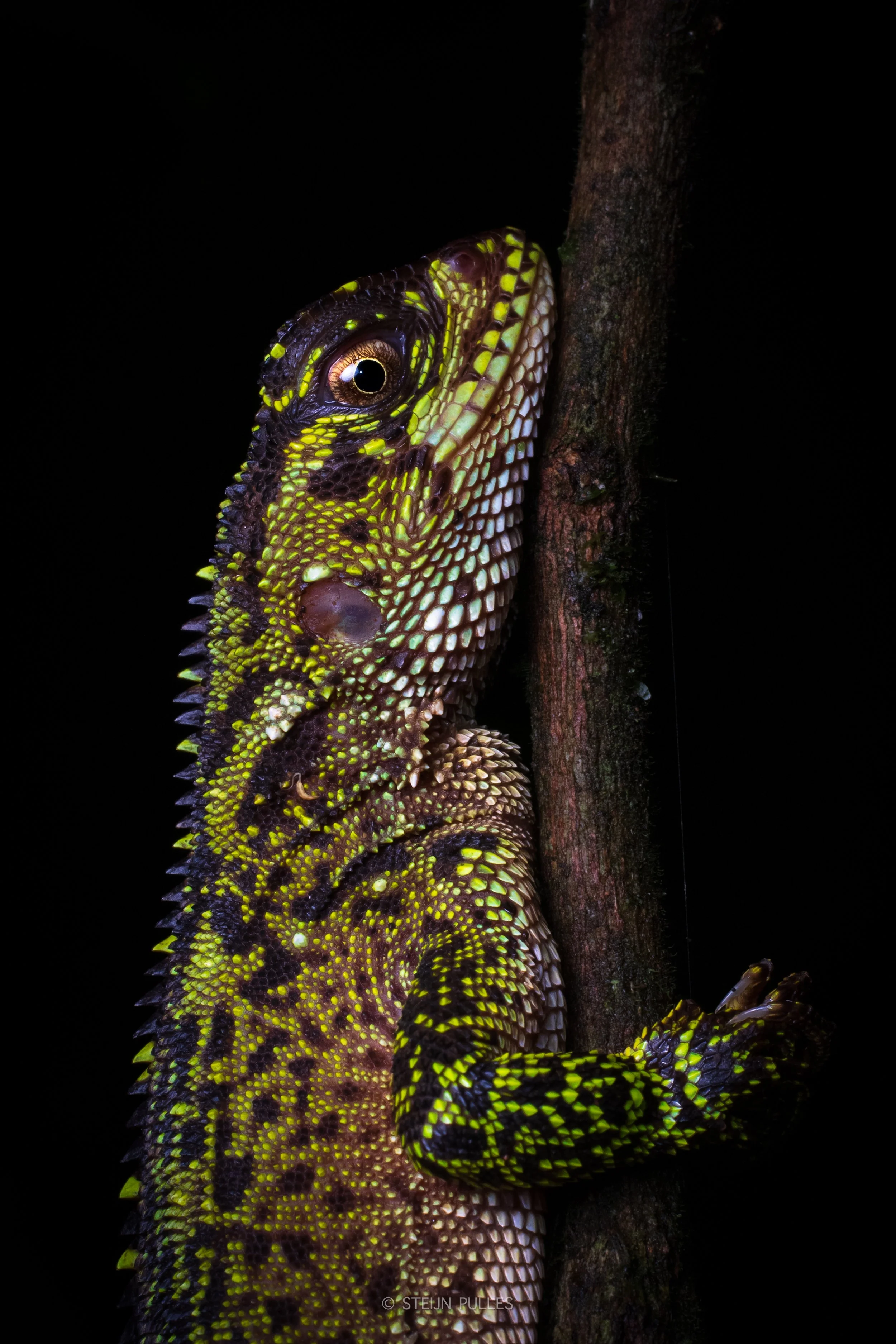
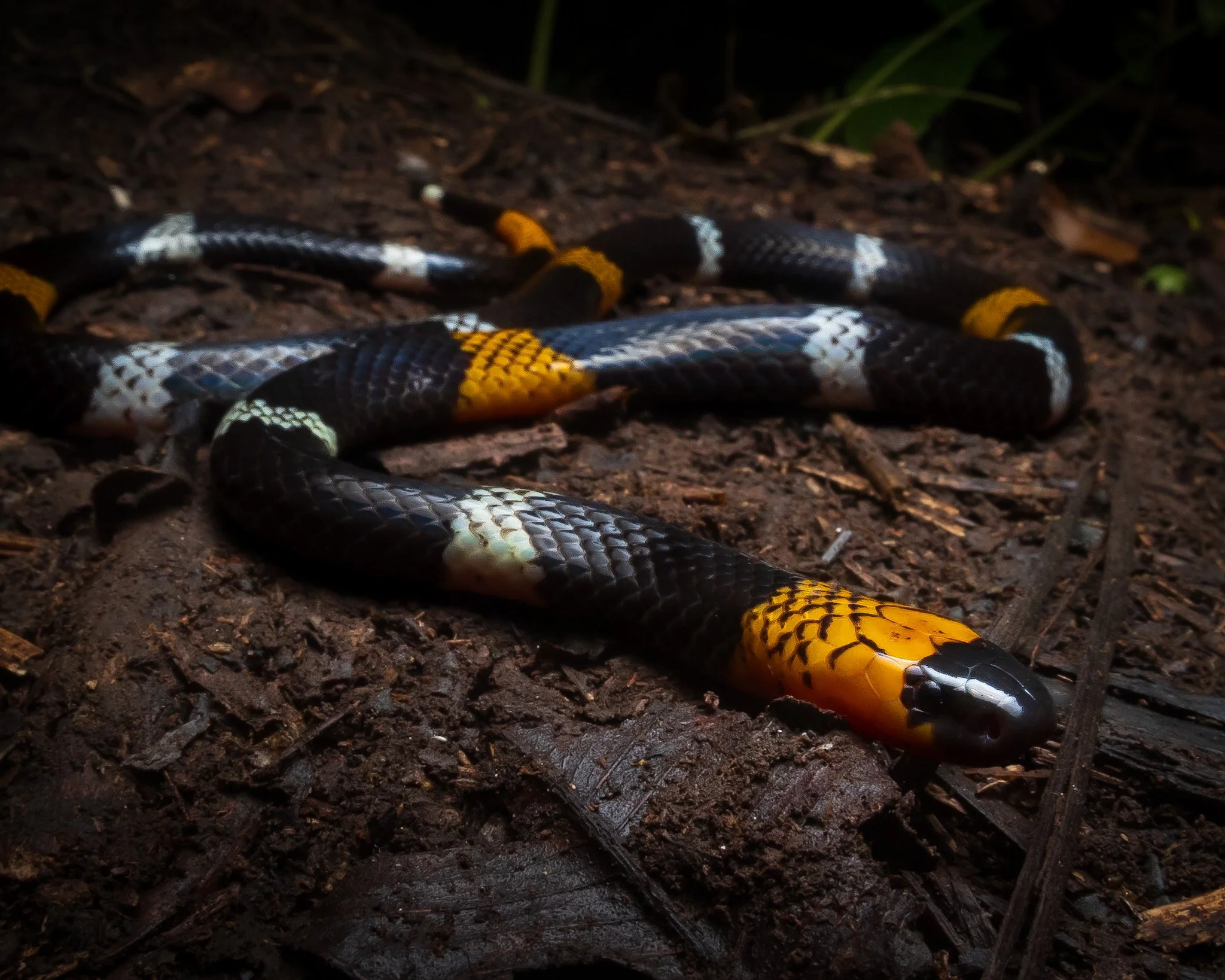
Day 6- 9: Our next stop in the Amazon biosphere. This place is your more typical Amazonian lowland habitat. The forest here offers many interesting Amazonian targets like the Two-lined Forest-Pitviper (Bothrops bilineatus), Rainbow Boa (Epicrates cenchria), many species of coral snakes, beautiful species of Leaf Frogs and much more.
Here we will be staying in a small town, there are shops to stock up on snacks, drinks and energies and restaurants where we will try some classic Amazonian dishes. .
Day 9-10: We return to the Andean highlands. If we haven’t encountered the Andean Pitviper yet, this will be our second chance. In the case we have already been fortunate enough, we will target other rarely seen montane species that we might have missed the first time.
Book your place
10 Day Expedition
€2,300per person
€900 deposit to secure your place
What’s included.
✓ Domestic travel and transfers
✓ Expert guiding throughout the expedition
✓ Accomodation
✓ Park entrance and permits
✓ Three meals per day (exceptions may apply on day 1 and day 10)
✓ Expert photography guidance
Not included.
✘ Expedition gear (e.g. boots, mosquito repellent. etc.)
✘ International flights to and from the destination
✘ Travel insurance
✘ Any extra hotels or transport
✘ Potential visa costs
✘ Snacks and alcoholic beverages
✘ Tips